When exploring Management courses in India, students often compare PGPM vs PGDM to identify the program that best aligns with their career goals. While both focus on developing managerial and leadership skills, they differ in curriculum structure, industry exposure, and learning approach. Understanding these differences can help students make an informed decision.
A PGPM course (Post Graduate Program in Management) is designed to provide practical business knowledge and management skills. The program focuses on developing industry-ready professionals through business-oriented learning and professional development.
A PGDM program (Post Graduate Diploma in Management) is one of the most popular management qualifications in India. Offered by autonomous institutions, PGDM programs are known for their flexibility and ability to update curricula according to changing industry requirements.
Both programs aim to prepare students for management roles by developing competencies in leadership, communication, decision-making, and business strategy. However, the structure and delivery of these programs often vary.
Understanding the PGPM vs PGDM difference requires looking at a few important factors.
A PGPM course may be offered in different formats depending on the institution. A PGDM program is generally structured as a two-year management qualification.
PGDM institutions often have the flexibility to update their curriculum regularly. This allows students to learn current business practices and emerging industry trends.
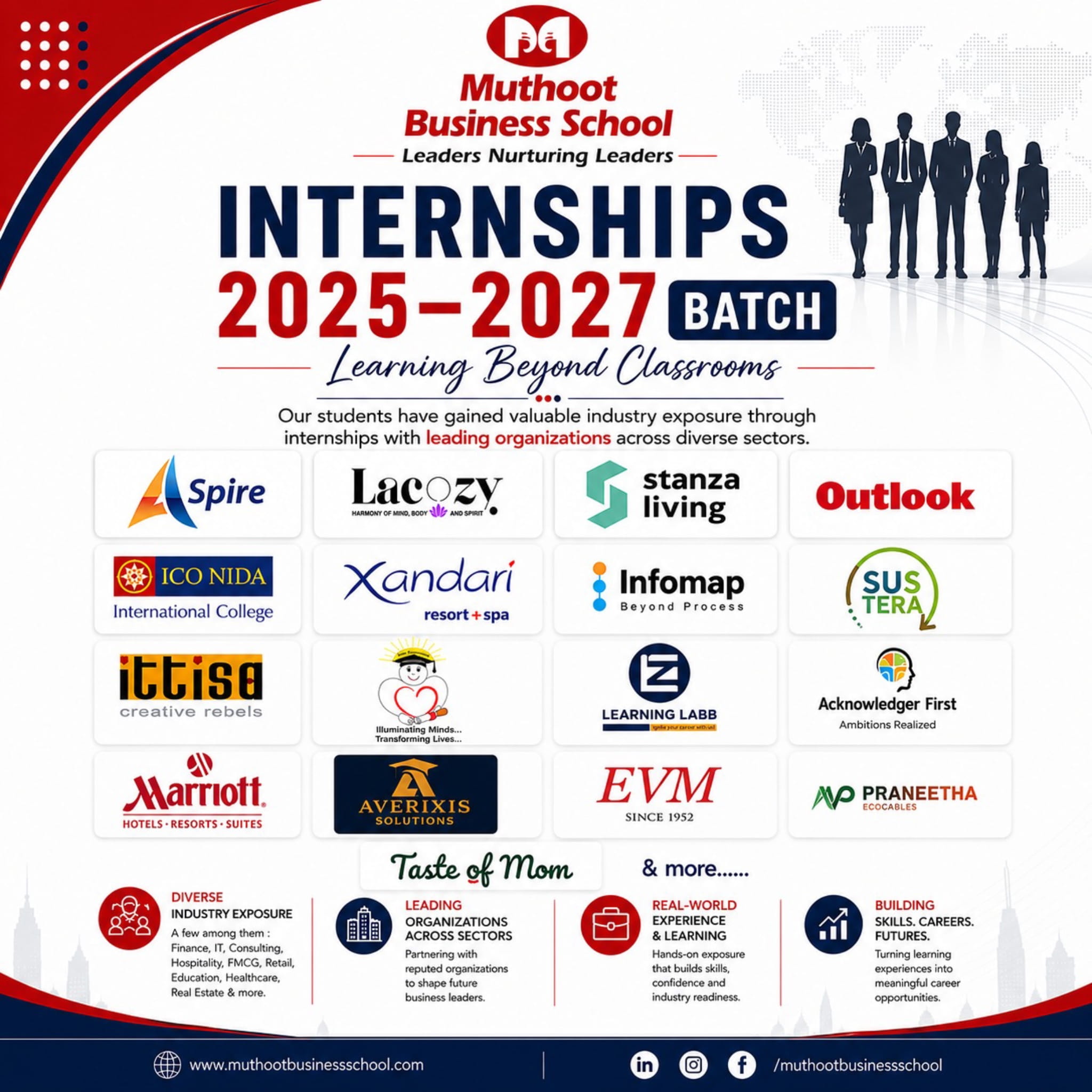
Both programs focus on practical learning, but PGDM programs are often known for stronger industry integration through internships, live projects, workshops, and corporate interactions.
A PGPM course typically focuses on management fundamentals and professional development. A PGDM program combines theoretical learning with practical exposure and real-world business applications.
The curriculum plays a major role in determining the value of any management qualification.
A typical PGPM course covers essential business subjects such as:
A PGDM program covers similar core subjects while also incorporating industry-relevant and emerging business areas, including:
One of the major strengths of a PGDM curriculum is its focus on practical learning. Students are often exposed to case studies, internships, business simulations, industry projects, and corporate mentoring. This helps them understand how management concepts are applied in real business environments.
Most institutions also offer specializations in Marketing, Finance, Human Resources, Operations, Business Analytics, and International Business, allowing students to align their studies with career interests.
Both programs open doors to diverse career opportunities across industries. Employers value management graduates for their ability to analyze problems, communicate effectively, and contribute to business growth.
Graduates can pursue roles such as:
Management professionals are recruited across sectors including banking, IT, healthcare, manufacturing, consulting, retail, logistics, and e-commerce.
Career growth opportunities are significant. With experience and continuous skill development, graduates can move into leadership and strategic management positions. This broad employability is one reason why PGDM career opportunities remain highly attractive to students.
Today's employers look beyond academic qualifications. They seek candidates who can apply knowledge in practical business situations and contribute from day one.
Recruiters typically value:
Both the PGPM course and PGDM program help students develop these competencies. However, programs with strong industry exposure often receive greater attention from employers because they produce graduates who understand real business challenges.
Skill-based education has become increasingly important in modern workplaces. Organizations prefer professionals who can combine theoretical knowledge with practical execution, making industry-oriented management programs highly relevant
Choosing between these programs depends largely on your career aspirations and learning preferences.
Students seeking focused management training may find a PGPM course suitable. Those looking for broader industry exposure, practical learning, and a flexible curriculum may prefer a PGDM program.
Specialization options should also be considered. Before selecting a program, students should evaluate whether the available specializations align with their long-term career goals.
Institutional quality is equally important. Factors such as faculty expertise, industry partnerships, internship opportunities, placement support, and learning infrastructure can significantly influence outcomes.
Among various Management courses in India, the PGDM program remains a preferred option because of its industry-focused curriculum and ability to adapt to changing market demands.
Some key advantages include:
Studying at one of the Best PGDM colleges in India can further enhance career prospects by providing access to experienced faculty, industry networks, internships, and placement opportunities.
At MBS Global Business School, we believe management education should equip students with both academic knowledge and practical skills. By combining classroom learning with industry exposure, we help students prepare for long-term professional success.
The choice between PGPM vs PGDM depends on individual career goals, learning preferences, and professional aspirations. Both programs offer valuable management education and can lead to rewarding careers across industries.
Understanding the PGPM vs PGDM difference allows students to evaluate curriculum, industry exposure, and specialization opportunities before making a decision. By choosing the right program and institution, aspiring management professionals can build a strong foundation for future success.
The primary PGPM vs PGDM difference is curriculum flexibility and industry orientation. PGDM programs are generally more adaptable to changing industry requirements.
The right choice depends on your career goals, learning style, and preferred specialization.
Popular PGDM career opportunities include roles in marketing, finance, human resources, operations, consulting, and business analytics.
Yes. PGDM programs from reputed institutions are widely accepted and valued by employers across industries.
Banking, IT, healthcare, consulting, manufacturing, retail, logistics, and e-commerce are among the major sectors hiring management graduates.
Evaluate curriculum quality, faculty expertise, industry exposure, internships, placement support, and institutional reputation before making your decision.